A strong animated logo does more than move.
It helps a brand feel alive, recognizable, and consistent across digital spaces where attention is short and expectations are high. From websites and mobile apps to video intros and social media, motion has become part of how brands communicate identity, not just decorate it.
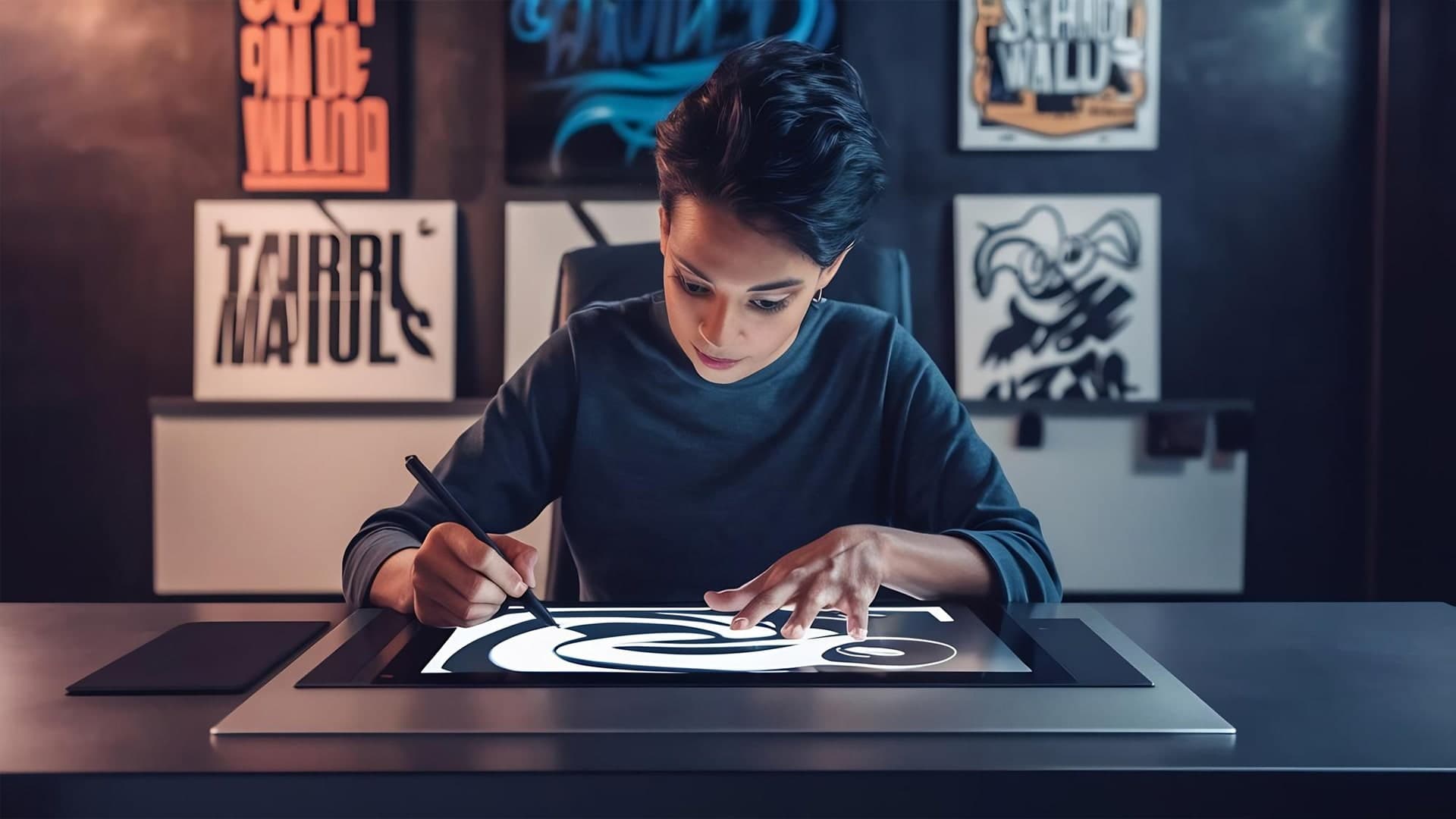
That is why working with a creative animated logo design agency is not just about adding effects to a static logo. It is about translating brand identity into motion, using structured design thinking, animation tools, and platform-specific delivery formats.
The process is layered. It connects brand strategy, visual design, motion graphics, and technical optimization into one workflow.
Understanding that workflow helps you know what to expect, where decisions matter, and how the final result actually supports branding and engagement.
Understanding Animated Logos in Modern Branding
Before the process begins, it helps to understand what an animated logo actually represents.
Animated Logos as Motion-Based Brand Identity
An animated logo is a motion-driven extension of a static logo. It introduces movement, timing, and transitions to a brand’s visual identity.
This connects directly with:
- Motion graphics design
- Brand identity systems
- Video marketing assets
- UI/UX interactions
Instead of a fixed mark, the logo becomes a dynamic element that can adapt across platforms like websites, YouTube intros, mobile apps, and advertisements.
A creative animated logo design agency approaches this as a branding problem first, not just an animation task.
Where Animated Logos Are Commonly Used
Animated logos are now part of multiple digital touchpoints:
- Website hero sections and loading screens
- Social media content (Instagram, TikTok, YouTube)
- Video intros and brand trailers
- SaaS dashboards and app interfaces
Each use case affects how the animation is designed. A logo used in a website header behaves differently from one used in a cinematic video intro.
That is why the process starts with context, not motion.
Stages for Creating a Professional Animated Logo
Here are the six stages to get an animated logo that looks professional.
Stage 1: Brand Discovery and Creative Direction
This is where most of the real work begins, even though nothing has been animated yet.
Understanding Brand Identity Before Motion
A professional creative animated logo design agency starts by analyzing:
- Brand tone and voice
- Target audience
- Industry positioning
- Existing visual identity
For example, a fintech brand may require precise, minimal motion, while an entertainment brand may benefit from expressive, high-energy animation.
Without this alignment, the animation may look impressive but feel disconnected from the brand.
Choosing the Right Animation Style
Animation style is not just a visual choice. It shapes how the brand is perceived.
Common styles include:
- Minimal motion (subtle transitions, clean reveals)
- 2D animation (flat, modern motion graphics)
- 3D animation (depth, lighting, realism)
- Cinematic reveals (high-impact intros for video branding)
A creative animated logo design agency helps match style with brand personality, ensuring consistency across all brand assets.
Stage 2: Concept Development and Storyboarding
Once direction is clear, the process moves into visualization.
Turning Brand Ideas Into Motion Concepts
Designers create multiple concepts based on:
- Logo structure
- Brand symbolism
- Emotional tone
Each concept represents a different way the logo can behave in motion.
Storyboarding the Animation Flow
Storyboarding breaks the animation into steps.
It defines:
- How the logo enters the screen
- How elements move or transform
- Timing and pacing
- Transitions between states
This stage helps both the client and the agency understand the animation before production begins.
A structured storyboard reduces confusion later and keeps revisions focused.
Client Feedback and Direction Lock-In
Before moving forward, the chosen concept is refined.
Feedback typically focuses on:
- Motion clarity
- Brand alignment
- Visual balance
A reliable creative animated logo design agency ensures this stage is finalized properly, because changes become more complex once production starts.
Stage 3: Preparing Design Assets for Animation
Animation depends heavily on how well the original logo is structured.
Adapting Static Logos for Motion Design
Logos are prepared in vector formats like:
- Adobe Illustrator (AI)
- SVG
Elements are separated into layers so they can move independently.
Breaking Down Visual Components
Each part of the logo is analyzed:
- Typography
- Icons and symbols
- Shapes and lines
- Color systems
This breakdown allows motion designers to control each element precisely during animation.
A creative animated logo design agency treats this stage as technical preparation, ensuring the animation process runs smoothly.
Stage 4: Animation Production and Motion Design
This is where the logo actually comes to life.
Tools Used in Professional Animation
Most agencies rely on industry-standard tools:
- Adobe After Effects (motion graphics)
- Cinema 4D or Blender (3D animation)
These tools allow precise control over movement, effects, and rendering.
Applying Motion Principles
Good animation is not random movement. It follows structured principles:
- Timing and easing
- Acceleration and deceleration
- Visual hierarchy
- Smooth transitions
These principles ensure the animation feels natural, not forced.
A creative animated logo design agency focuses on clarity over complexity, making sure motion supports recognition rather than distracting from it.
Adding Sound Design (When Needed)
Some animated logos include sound elements:
- Subtle transitions
- Impact sounds
- Brand audio signatures
When used correctly, sound strengthens memory and recognition.
Stage 5: Rendering and Output Optimization
Once the animation is complete, it needs to be prepared for real-world use.
Exporting in Multiple Formats
Different platforms require different formats:
- MP4 (general use, social media, websites)
- MOV (high quality with transparency)
- GIF (lightweight loops)
- Lottie (for apps and web interfaces)
Each format affects performance, quality, and usability.
Optimizing for Platforms and Performance
A creative animated logo design agency ensures:
- Fast loading for websites
- Smooth playback on mobile devices
- Compatibility across browsers and apps
This stage connects animation with user experience.
Stage 6: Revisions, Final Delivery, and Usage Guidance
The process does not end with rendering.
Refining the Final Animation
Final adjustments may include:
- Timing tweaks
- Motion smoothing
- Minor visual corrections
These refinements ensure the animation feels polished.
Delivering a Complete Asset Package
A professional delivery typically includes:
- Multiple file formats
- Different resolutions
- Loop and non-loop versions
- Transparent background files
This allows the logo to be used across various platforms without rework.
Guidelines for Consistent Use
A creative animated logo design agency may also provide usage guidance:
- Where to use the animation
- Where to use the static version
- How to maintain consistency across channels
This helps protect brand identity over time.
How Long the Process Usually Takes
The timeline depends on complexity.
Typical Project Duration
- Basic animation: 1–2 weeks
- Advanced motion design: 3–5 weeks
Factors That Affect Timelines
- Animation style (2D vs 3D)
- Number of revisions
- Complexity of motion
A structured process helps avoid delays and keeps expectations realistic.
Cost Factors in Animated Logo Design Services
Pricing varies based on multiple elements.
- Complexity of animation
- Length of animation
- Tools and production level
- Experience of the agency
How Professional Agencies Improve Results
There is a clear difference between DIY tools and structured agency work.
Custom Animation vs Templates
Templates can create motion quickly, but they rarely reflect brand identity properly.
A creative animated logo design agency builds:
- Custom motion logic
- Brand-specific storytelling
- Consistent visual language
Hire TCU, a creative agency known for eye-catching custom animations.
Final Thoughts
A professional animated logo is not just about movement.
It is about clarity, recognition, and consistency across platforms where brands interact with users every day.
That outcome comes from a structured process:
- Understanding the brand
- Planning the motion
- Executing with precision
- Delivering optimized assets
A creative animated logo design agency brings all of these pieces together, turning a static identity into something that works across modern digital environments.
When done right, the result is simple to watch, easy to recognize, and ready to perform wherever your brand appears.
Frequently Asked Questions
How do I know if my existing logo is suitable for animation or needs redesign first?
If your logo has very fine details, gradients that don’t separate well, or is not built in vector format (AI, SVG), it may need redesign before animation. A creative animated logo design agency will usually assess whether the logo can be layered and scaled without losing clarity in motion.
Can an animated logo affect website performance or loading speed?
Yes, especially if heavy video formats are used. Large MP4 or unoptimized GIF files can slow down page load times. Agencies often use lighter formats like Lottie or compressed video files to ensure animation does not impact performance negatively.
What is the difference between looped and non-looped animated logos?
A looped animation repeats continuously and is ideal for website headers or app interfaces. A non-looped animation plays once and is better suited for video intros or presentations. Most projects include both versions for flexibility.
Do I need different versions of the animated logo for different platforms?
Yes. A version for a website may be lightweight and subtle, while a version for YouTube or ads may be longer and more cinematic. A creative animated logo design agency typically provides multiple outputs optimized for specific platforms.
Can animated logos be used inside mobile apps or SaaS dashboards?
Yes, but they must be optimized carefully. Formats like Lottie (JSON-based animations) are commonly used because they are lightweight and scalable, making them suitable for mobile apps and UI elements.
How do revisions work if I want to change the animation after delivery?
Minor changes like timing or speed can often be adjusted easily. However, major changes (like switching animation style or concept) may require reworking the animation from scratch. This is why concept approval stages are important early on.