User experience usually enters the conversation sideways, after frustration builds. Something feels off. Numbers look fine on paper, but outcomes don’t match expectations. Teams argue about whether the problem is messaging, design, or the market itself.
At that point, someone usually suggests a redesign.
What they often mean is a visual change. New screens. Cleaner layouts. A fresh look that signals progress. What gets missed is that the deeper issue is rarely visual. It’s behavioral.
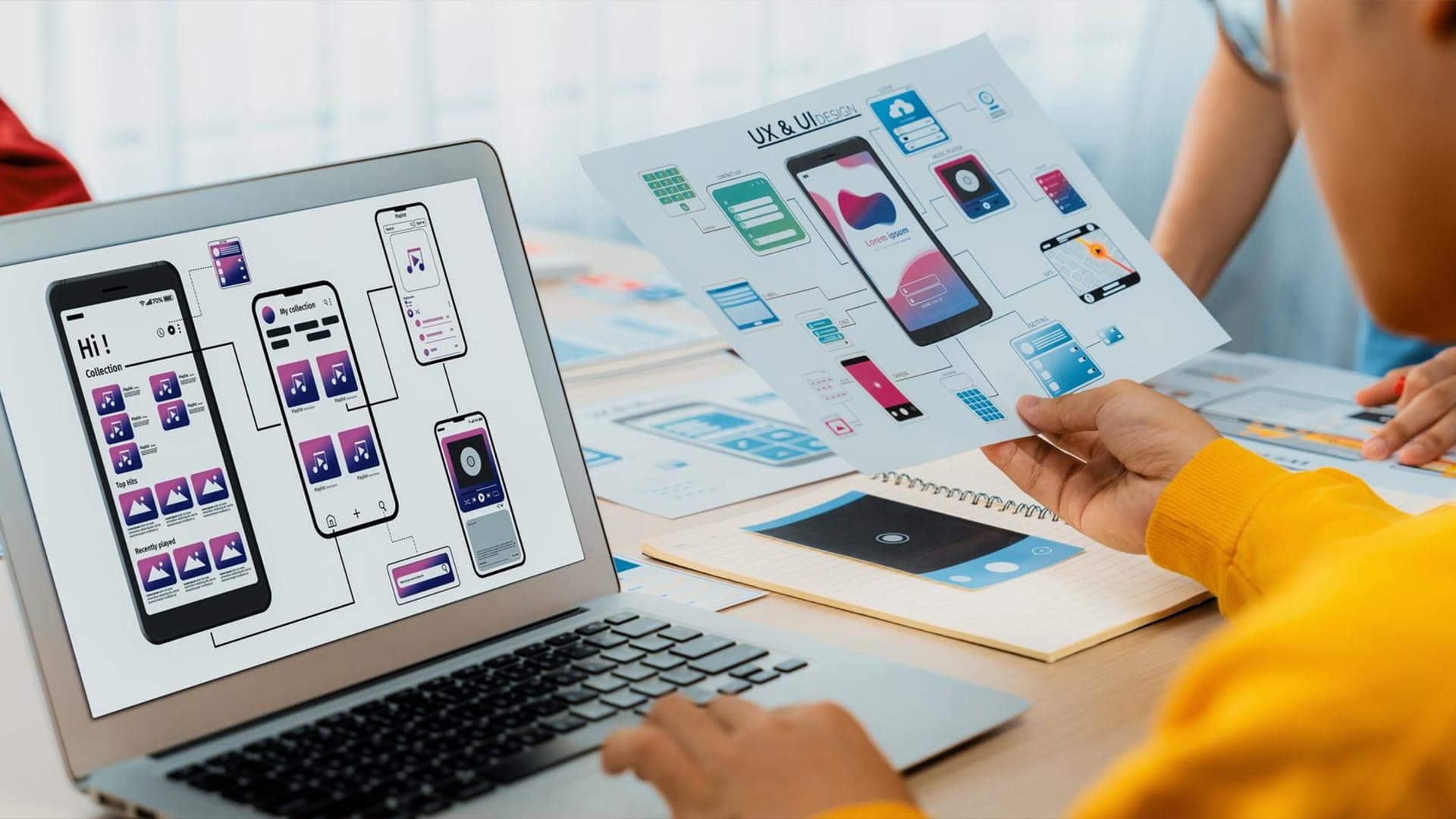
That is where creative UI UX design experts quietly change the direction of a brand, not by making things prettier, but by changing how people move, think, and decide inside digital experiences.
Brands Don’t Lose Customers Loudly
When products fail, it’s rarely dramatic.
Users don’t announce their departure. They don’t always complain. They don’t write angry emails explaining what went wrong.
They hesitate.
They pause longer than expected.
They open a page, scan it, and leave.
They sign up, then never return.
From the brand’s side, this shows up as confusion. Marketing worked. Traffic arrived. The product functions. Support can’t point to a single issue.
What’s happening is friction. Not enough to break things, but enough to slow people down.
UI and UX decisions live exactly in this space. They shape how easy or heavy an experience feels without drawing attention to themselves.
When those decisions are weak, brands bleed trust quietly.
Why UI UX Affects Perception Before Logic Kicks In
People like to believe they make rational decisions.
In reality, most decisions are emotional first, logical second. The interface is the first emotional contact point between a brand and a user.
Before someone reads your copy, they already feel something.
- Is this clear or cluttered?
- Does this feel calm or overwhelming?
- Do I know what to do next or do I have to think?
These feelings form fast. Faster than conscious thought.
This is why UI UX decisions shape brand perception long before messaging has a chance to do its job. And it’s why working with creative UI UX design experts is less about design preference and more about behavioral influence.
The Misunderstanding Around “Good Design”
Ask ten people what good design looks like and you’ll get similar answers.
Clean. Modern. Simple. Minimal.
None of those words are wrong. They’re just incomplete.
A clean interface can still be confusing. A minimal layout can still hide important actions. A modern design can still feel cold or untrustworthy.
Good UX isn’t defined by how little is on the screen. It’s defined by how little effort the user feels while moving through it.
That effort is invisible in screenshots. You only notice it when you use the product.
This is where brands often misjudge their own work. Internal teams know how things function, so the effort feels low to them. For users, it’s a different story.
What Creative UI UX Expertise Actually Changes
There’s a reason some products feel intuitive even when they’re complex.
It’s not because they removed complexity. It’s because someone took responsibility for managing it.
Creative UI UX work happens in decisions most users never see:
- What information appears first
- What gets delayed until later
- What actions are emphasized
- What choices are quietly removed
These decisions shape behavior without forcing it.
Designers who only focus on screens rarely get this right. Creative UI UX design experts focus on flow, sequencing, and emotional pacing instead of static layouts.
Creativity In UX Is About Judgment, Not Decoration
Creativity in branding is often associated with expression.
In UX, creativity shows up as restraint.
Knowing when not to add something.
Knowing when to simplify instead of innovate.
Knowing when familiarity beats originality.
This kind of judgment comes from experience. From watching users struggle. From testing ideas that looked good but didn’t work.
It’s also why great UX doesn’t look impressive in isolation. It feels impressive only when used.
Where Brands Unintentionally Damage Their Own UX
Most UX problems are self-inflicted.
Not because teams are careless, but because incentives push them in the wrong direction.
Features get added because competitors have them.
Content gets layered on to explain complexity instead of reducing it.
Navigation grows because no one wants to remove their section.
Over time, the interface becomes crowded with good intentions.
Creative UX experts step into this chaos and ask uncomfortable questions:
- Does this need to exist?
- Who is this really for?
- What happens if we remove it?
These questions feel risky. But avoiding them is riskier.
The business cost of UX friction
UX problems don’t live in design tools. They live in budgets.
When UX is weak:
- Marketing has to over-explain
- Sales cycles stretch
- Support teams carry the burden
- Training becomes necessary
- Churn increases quietly
These costs are rarely attributed to UX, even though they originate there.
Strong UX reduces the need for explanation. It lets the product speak clearly without persuasion.
This is one of the least visible but most valuable outcomes of working with creative UI UX design experts.
Why Internal Teams Struggle To See UX Issues Clearly
This is not a failure of talent.
It’s proximity.
People who build products understand them deeply. That understanding becomes a blind spot. What feels obvious internally may be invisible externally.
Internal teams often design for:
- themselves
- existing users
- edge cases
- internal logic
Users, meanwhile, want:
- clarity
- speed
- confidence
- guidance
External UX experts bring distance. They don’t know the product history. They don’t care how hard something was to build. They care about what makes sense now.
That difference in perspective is powerful.
UX Decisions Are Brand Decisions, Whether You Admit It Or Not
Every interface choice sends a message.
About how much you respect users’ time.
About how much confusion you’re willing to tolerate.
About whether you value clarity over cleverness.
These messages add up.
Brands don’t get to opt out of UX. They only choose whether to handle it intentionally or accidentally.
This is why UX eventually becomes a leadership issue, not a design one.
And it’s why brands that involve creative UI UX design experts earlier tend to make fewer costly corrections later.
By the time UX problems become visible in numbers, they’ve usually been around for a while.
Growth slows. Retention plateaus. Feedback becomes vague. People say things like “It’s fine, I guess” or “I just didn’t get it.” Those are not design critiques. They’re warning signs.
This is the stage where brands either double down on surface fixes or finally step back and ask harder questions about experience.
The brands that grow out of this phase are usually the ones that stop treating UX as a layer and start treating it as infrastructure.
UX Decisions Compound Over Time, For Better Or Worse
One confusing screen is annoying.
Ten confusing screens form a pattern.
That pattern becomes the product’s reputation.
UX decisions compound quietly. Small compromises stack up. Each “we’ll fix it later” choice adds weight.
Over time, this shows up as:
- Products that feel heavier with every update
- Onboarding that needs tutorials
- Features that users avoid instead of adopt
- Interfaces that require explanation before use
None of this happens overnight. It accumulates.
Brands that involve creative UI UX design experts early tend to catch these patterns while they’re still small. Brands that don’t usually meet them later, when fixing them is harder and more expensive.
Why scaling without UX clarity breaks products
Growth puts pressure on every weak decision.
As user numbers increase:
- Edge cases become common cases
- Minor confusion becomes mass confusion
- Small inefficiencies multiply
What worked for early adopters often fails for wider audiences.
This is where many products struggle. The experience that felt flexible early on starts to feel fragile.
Creative UX experts think in systems, not screens. They anticipate how today’s decisions will behave under tomorrow’s scale.
They ask questions like:
- What happens when usage triples?
- What breaks when users don’t read instructions?
- What assumptions stop holding when audiences change?
This forward thinking is what keeps products usable as they grow.
UX As A Trust Signal, Not Just A Usability Layer
Trust isn’t built through claims. It’s built through consistency.
When users feel:
- Guided instead of pushed
- Informed instead of overwhelmed
- Confident instead of cautious
they trust the product more, even without realizing why.
UX builds this trust in small ways:
- Predictable navigation
- Clear next steps
- Honest error messages
- Sensible defaults
When these elements are missing, users feel like the product is working against them.
That feeling erodes trust faster than any bad headline.
The Moment UX Becomes A Leadership Concern
Eventually, UX questions reach leadership.
Not as “design problems,” but as business ones:
- Why are people leaving?
- Why does adoption stall?
- Why does marketing feel harder than it should?
At this point, UX can’t be delegated downward. It requires decision-making authority.
This is where leadership teams either:
- Protect existing decisions
- Or invite external perspective
Leaders who bring in creative UI UX design experts at this stage usually do so not for aesthetics, but for clarity. They want someone who can challenge assumptions without internal politics.
That honesty is uncomfortable, but it’s often exactly what’s needed.
How Expert UX Collaboration Actually Works
Good UX work doesn’t feel like outsourcing tasks. It feels like shared problem-solving.
The best collaborations aren’t built on rigid briefs. They’re built on conversations.
Healthy UX partnerships involve:
- Observing real users, not just dashboards
- Questioning features instead of defending them
- Testing ideas before committing to them
- Accepting that removal can be progress
This process takes humility from both sides. It also produces better outcomes.
UX experts who work this way don’t arrive with answers. They arrive with frameworks for finding the right ones.
When Brands Know It’s Time To Bring In Experts
There’s usually a moment when teams realize something deeper is off.
It sounds like:
- “We keep adding features, but it’s not helping.”
- “People don’t use what we build.”
- “We explain everything, but it still feels unclear.”
- “The product feels harder than it used to.”
These aren’t design complaints. They’re experience complaints.
At this point, continuing with internal assumptions often leads to more complexity, not less.
If you’re at this stage and looking for creative UI UX design experts who can look at your product honestly and simplify what’s become heavy, this is exactly where a team like TCU steps in. Not to decorate interfaces, but to untangle decisions and rebuild clarity where it’s been lost.
UX Work Isn’t Fast, But It Saves Time
One of the biggest misconceptions about UX is that it slows things down.
It does at first.
It asks questions. It challenges decisions. It forces trade-offs.
But once clarity is established, everything else speeds up:
- Development becomes more focused
- Features ship with fewer revisions
- Users need less support
- Marketing aligns more naturally with the product
The time saved later far outweighs the time spent early.
This is why experienced brands invest in UX before problems explode.
Why “Good Enough” UX Eventually Stops Being Enough
Early success can hide UX issues.
When demand is strong, users tolerate friction. They work around problems because the value is high.
Over time, expectations rise. Alternatives appear. Tolerance drops.
What was once “good enough” starts to feel dated.
Brands that wait too long to revisit UX often find themselves forced into rushed redesigns. Brands that continuously invest in experience evolve more smoothly.
This long view is something creative UI UX design experts bring naturally, because they’re trained to think beyond immediate deliverables.
Final Perspective
UI UX isn’t about style.
It isn’t about trends.
It isn’t about what looks impressive in presentations.
It’s about how people feel when they use what you’ve built.
Brands that invest in creative UI UX design experts aren’t chasing design awards. They’re choosing clarity over clutter, restraint over noise, and trust over persuasion.
In markets crowded with options, that choice matters more than ever.