Close your eyes for a second and think of a target. What do you see?
Chances are, you pictured the iconic bullseye, the concentric red and white circles. Now, think of a swoosh. Not just any swoosh, the one you see on shoes, shirts, and billboards worldwide. You don’t even need to see the word “Nike” to know who it is, do you?
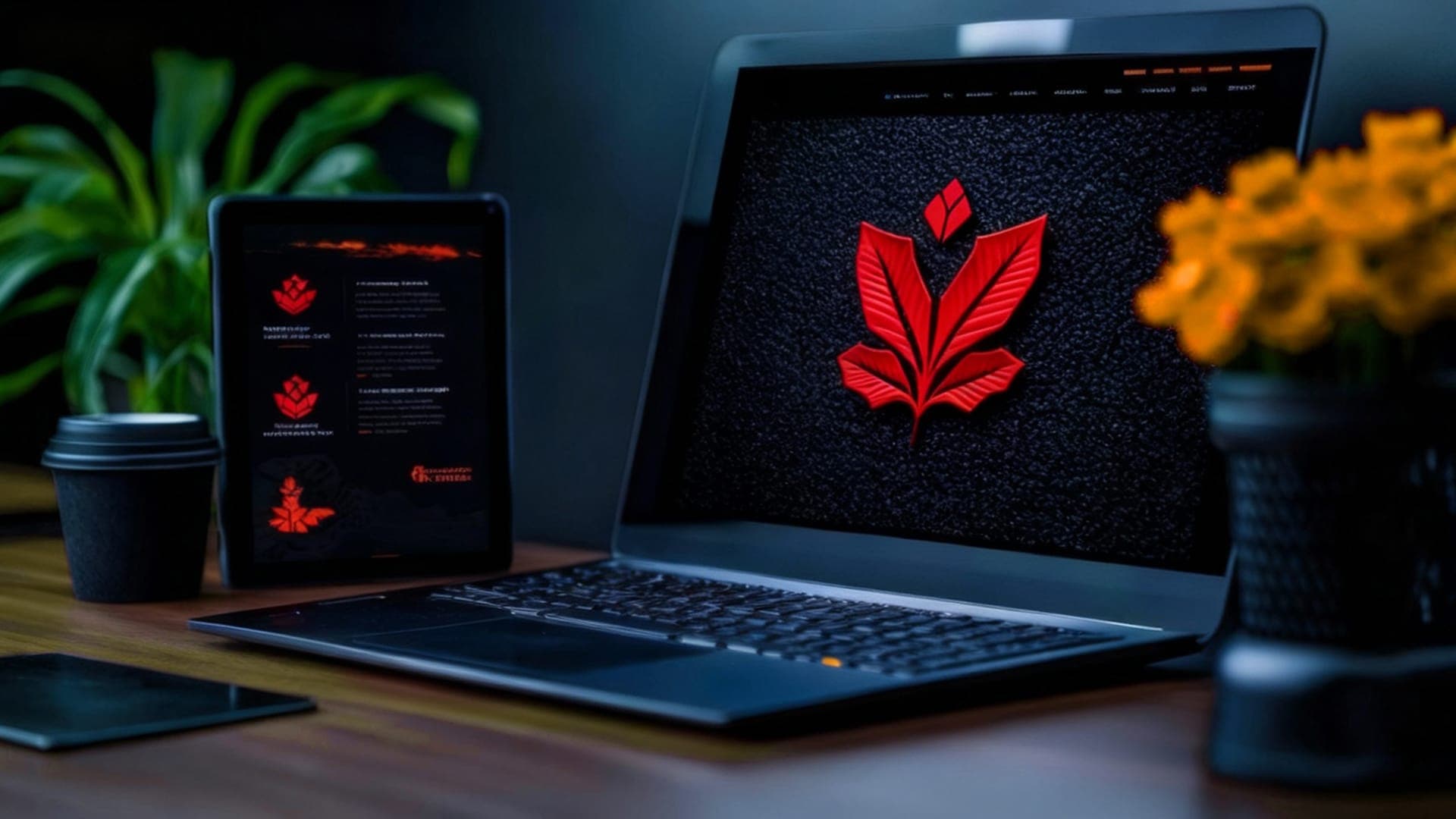
That’s the quiet power of a great logo. It’s not just a pretty picture; it’s the flag your business rallies behind. It’s the visual handshake you offer every new customer. But for many business owners, the journey to get that perfect logo feels less like a creative adventure and more like navigating a maze blindfolded. Where do you even start? How do you find a designer? What should it cost?
This guide is your map through that maze. It will walk you through the entire process of how to find excellent online logo design services, prepare for the project, and collaborate effectively to get a logo that doesn’t just look good, it feels like your business.
The Foundation – Know Thyself (And Thy Business)
Before you type “logo designer” into a search bar, you need to do some homework. This is the most critical step, and skipping it is the number one reason logo projects go sideways. A designer is not a mind reader. The clearer your vision, the better the result.
Ask yourself these key questions:
What is our core story?
What problem does your business solve? Are you a fun, energetic kids’ party planner, or a serious, trustworthy financial advisor? Your logo should reflect this personality.
Who are we talking to?
Who is your ideal customer? A logo for a trendy streetwear brand will look vastly different from one for a luxury law firm.
What words describe our brand?
Brainstorm a list of 3-5 adjectives. Is your brand: Modern? Classic? Playful? Rugged? Eco-friendly? Tech-savvy? These words will be your guiding star.
Real-Life Example: Imagine a local coffee shop called “The Daily Grind.” The owners want a logo. They decide their core words are: “Warm,” “Community,” and “Artisanal.” This immediately tells a designer to avoid cold, corporate fonts and sleek, techy graphics. Instead, they might explore a custom hand-drawn script and an illustration of a coffee bean that looks like a gathering place. See how those simple words create direction?
Finding Your Designer – The Great Online Hunt
The internet is full of talented people. It is also full of less-talented people. Your job is to separate the signal from the noise. There are a few main paths to find online logo design services.
A. Design Contests & Marketplaces
Platforms like 99designs or Designhill operate on a contest model. You post your project brief, set a prize amount, and dozens of designers from around the world submit their concepts. You then provide feedback and choose a winner.
- The Good: You get a wide variety of ideas to choose from. It can be very cost-effective.
- The Not-So-Good: The quality can be inconsistent. It can feel impersonal, and you are not building a one-on-one relationship with a single designer.
B. Freelance Platforms
Websites like Upwork and Fiverr host millions of freelancers, including logo designers. You can browse individual profiles, review their portfolios, read client testimonials, and hire someone directly for a fixed-price project or an hourly rate.
- The Good: You have direct control over who you hire based on their specific style. You can find talent at almost any budget.
- The Not-So-Good: It requires more legwork on your part to vet candidates. Quality and professionalism can vary wildly.
C. Dedicated Design Agencies
This is the path for businesses seeking a comprehensive, hands-off experience. Agencies, like The Creative Unit (TCU), offer a managed service where a team or a dedicated senior designer handles your project from start to finish.
- The Good: High level of professionalism and strategic thinking. You get a dedicated partner who takes the time to understand your business deeply. The process is streamlined and managed for you.
- The Not-So-Good: This is typically a more premium option in terms of investment.
How to Vet Them (No Matter the Platform):
The Portfolio is King:
Don’t just glance at it; study it. Do you like their style? Do their logos look unique, or do they have a generic, template feel? A strong portfolio is the designer’s single best argument.
Read the Reviews:
What are past clients saying? Look for comments about communication, reliability, and willingness to revise.
Understand the Process:
How do they work?
How many revisions do they include?
What files will you receive at the end?
Navigating these options and managing the back-and-forth with designers can be a significant project in itself. It demands time, a good eye for design, and strong communication skills. For a business owner focused on day-to-day operations, this can become a major distraction.
This is precisely where a managed service proves its value. A professional agency handles the entire workflow, from initial strategy to final file delivery, ensuring a smooth and strategically sound outcome.
For businesses seeking a seamless, professional experience, contacting The Creative Unit (TCU) provides access to top-tier online logo design services. This approach eliminates the guesswork and connects you with a dedicated design partner from the start.
The Collaboration – Speaking the Language of Design
You have found a designer you like and you are ready to start. Now what? A successful partnership hinges on clear communication.
1. Write a Killer Creative Brief.
This is the document you will share with your designer. It is the blueprint for your entire project. A good brief includes:
- Your company name and what you do.
- Your “core word” list from Step 1.
- Who your target customer is.
- Where the logo will be used (website, app, storefront, social media).
- Logos you like (and why you like them).
- Colors you love or hate.
2. Give Feedback That Actually Helps.
Saying “I don’t like it” is useless. Good feedback is specific and constructive.
- Instead of: “Make it pop.”
- Try: “The icon feels a bit heavy. Could we try making the lines thinner and more elegant to match our ‘sophisticated’ brand word better?”
- Instead of: “The color is wrong.”
- Try: “This blue feels a bit corporate. Our brand is more playful, could we explore a warmer, brighter palette?”
3. Understand the Deliverables.
A logo is not a single file. You need different versions for different uses. At the end of the project, you should receive a package including:
- The main logo in full color.
- A black-only version.
- A white-only version (for dark backgrounds).
- Horizontal and vertical (stacked) layouts, if applicable.
- High-resolution files (for print) and web-optimized files (for your site).
- The most crucial file: a vector file (usually .AI or .EPS). This is a magic file that can be scaled to the size of a billboard or a business card without ever getting blurry. Never accept a project without this.
A Word on “Cheap” vs. “Value”
It is tempting to go for the lowest-priced option. However, it is vital to understand what you are buying. A $50 logo from a generic site is often a template with your business name slapped on it. It lacks strategic thought, is not unique, and may not come with the proper files you need to run your business professionally.
Investing in quality online logo design services means paying for strategy, originality, and technical expertise. You are paying for an asset that will represent your business for years to come. It is not an expense; it is a foundational investment in your brand’s identity.
Final Thoughts:
Your Logo is Waiting
Getting a custom logo online does not have to be a stressful, confusing process. By knowing your own brand, carefully selecting your design partner, and communicating clearly, you can navigate the world of online logo design services with confidence.
The goal is to end up with more than just a graphic. You want a symbol that tells your story at a glance, builds trust with your customers, and makes you proud to turn on the “Open” sign every single morning. Your flag is out there. Go find it.