A logo is not just a symbol. It is the visual anchor of your brand.
It shapes how people recognize you, remember you, and decide whether to trust you. That is why many businesses are moving beyond flat visuals and exploring textured logo design services to create something that feels more distinctive and grounded.
But there is one question that comes up early.
What kind of texture actually fits your business?
That is where things get complicated. A textured logo can make your brand feel premium, handcrafted, modern, or bold. It can also make it feel cluttered, outdated, or hard to use if the style does not align with your identity.
That does not mean textured logos are risky. It means they need to be chosen with intent.
A strong approach to textured logo design services focuses on how visual texture connects with brand identity, audience expectations, platform usage, and long-term scalability. When those pieces come together, the result is not just a logo that looks different. It is a logo that works better.
Why Textured Logos Are Gaining Attention in Modern Branding
What a Textured Logo Actually Means
A textured logo uses visual depth, grain, or surface detail to create a more tactile appearance.
Instead of relying only on clean vector shapes, it introduces elements that mimic real-world materials or artistic techniques. This can include grain effects, brush strokes, metallic finishes, or subtle imperfections that add character.
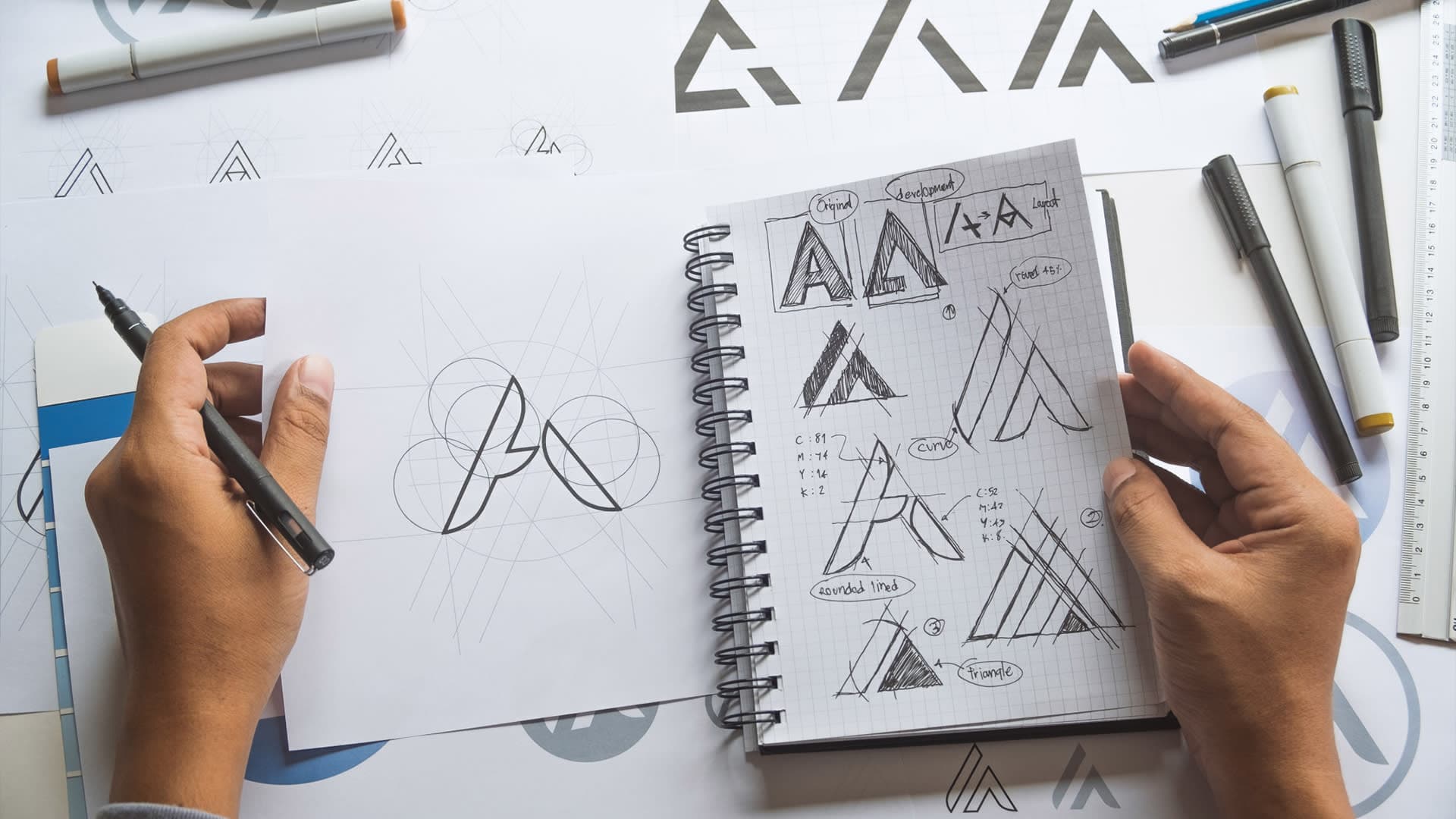
Design tools like Adobe Illustrator, Adobe Photoshop, and Procreate are often used together to create these effects, blending vector precision with layered textures.
This is why textured logo design services have become more popular. They allow brands to move beyond generic visuals and create something that feels more intentional.
How Texture Influences Brand Perception
Texture changes how a logo feels before a word is even read.
A clean, flat logo often signals simplicity and efficiency. A textured logo can signal craftsmanship, depth, or personality. The difference is not just visual. It affects perception.
For example:
- A grain texture can create a vintage or editorial tone
- A brush texture can make a brand feel personal or handmade
- A metallic effect can position a brand as premium or high-end
These signals matter because they shape how users interpret your brand across websites, packaging, and social media.
Where Textured Logos Work Best
Not every business needs a textured logo. But for some industries, it adds immediate value.
Textured logo design services are often used by:
- Handmade and artisan brands that rely on authenticity
- Food and beverage businesses that benefit from tactile appeal
- Fashion and lifestyle brands that want a distinct identity
- Luxury brands that use subtle texture for depth and refinement
In these spaces, texture is not decoration. It is part of the brand language.
Understanding Different Types of Textured Logo Styles
Grain and Noise-Based Textures
Grain textures are commonly used to create a slightly imperfect, analog feel.
They are often inspired by film grain, print design, or editorial layouts. Tools like Photoshop allow designers to apply controlled noise layers that add depth without overwhelming the design.
This style works well for brands that want a subtle texture without losing clarity.
Hand-Drawn and Brush Textures
Brush textures introduce an organic, human element.
These logos often look less mechanical and more expressive. Designers may use tools like Procreate or Illustrator to create custom strokes that feel unique to the brand.
This is where textured logo design services become especially valuable. Custom illustration ensures the texture is not reused or generic.
Metallic and Embossed Effects
Metallic textures are often associated with premium branding.
Gold foil, silver accents, and embossed effects are commonly used in packaging and print materials. These styles rely on both digital design and physical production techniques like foil stamping and embossing.
They are effective when used carefully. Too much can feel excessive. Subtlety is what creates the premium feel.
Natural and Fabric-Inspired Textures
Some brands draw inspiration from real materials like fabric, wood, or paper.
This approach is often used in sustainable branding, textile-based businesses, or organic product lines. The goal is to create a connection between the logo and the physical world the brand operates in.
Textured logo design services help translate these materials into scalable digital formats.
Aligning Texture Style with Your Brand Identity
Matching Texture with Brand Personality
Every brand has a personality, even if it is not formally defined.
Some brands feel bold and rugged. Others feel clean and minimal. Some feel playful. Others feel refined.
Your texture should support that personality, not contradict it.
For example:
- A rugged outdoor brand may benefit from rough textures
- A luxury brand may use very subtle, refined texture
- A creative studio may lean toward expressive brush elements
This alignment is where textured logo design services move from design to strategy.
Understanding Your Audience Expectations
Your audience already has expectations, even before they see your logo.
A tech-focused audience often expects clarity, simplicity, and fast readability. A handmade product audience may expect warmth and authenticity.
Choosing the wrong texture can create confusion. Choosing the right one reinforces trust.
That is why textured logo design services often involve audience research alongside visual exploration.
Thinking About Where Your Logo Will Be Used
A logo does not live in one place.
It appears on websites, mobile apps, packaging, social media, and sometimes physical signage. Each platform has different constraints.
A heavily textured logo might look great on packaging but lose clarity on a small mobile screen. A subtle texture might scale better across different formats.
This is why experienced designers test logos across multiple environments before finalizing them.
Practical Use Cases for Different Businesses
Startups and Digital-First Brands
Startups, especially SaaS or tech-based companies, often prioritize clarity and usability.
Heavy textures can interfere with readability, especially in UI environments. In these cases, textured logo design services focus on subtle texture rather than dominant effects.
The goal is to enhance, not distract.
Handmade and Local Businesses
For artisan businesses, texture is often essential.
It reflects the handcrafted nature of the product and builds authenticity. A clean, flat logo might feel too generic in this context.
Here, textured logo design services often involve custom illustration and organic design elements.
Luxury and Premium Brands
Luxury branding relies on control and precision.
Texture is used sparingly to create depth rather than noise. Metallic finishes, embossed effects, and fine grain textures are common choices.
The key is restraint. The texture should feel intentional, not decorative.
Food and Beverage Brands
In the food industry, visuals directly influence perception of quality and taste.
Textures that mimic paper, ink, or organic materials can make packaging and branding feel more authentic and appealing. Restaurants, coffee brands, and artisanal product lines often rely on textured logo design services to create a sensory connection before the product is even experienced.
Outdoor and Adventure Brands
Brands in the outdoor space often benefit from rugged, imperfect textures.
Grain, distressed effects, and raw finishes can reflect durability, exploration, and connection to nature. Businesses related to travel gear, hiking, or fitness apparel use textured logo design services to reinforce a strong, adventurous identity that aligns with their audience’s expectations.
Tools and Design Systems Behind Textured Logos
Design Tools Used by Professionals
Creating textured logos often involves multiple tools working together.
Adobe Illustrator is used for vector structure. Photoshop is used for texture layering. Procreate is often used for custom illustrations. Figma may be used for testing how the logo works within digital interfaces.
Understanding File Formats
A professional logo is delivered in multiple formats.
Vector formats like SVG and EPS ensure scalability. PNG and JPEG formats are used for digital platforms. Each version needs to maintain clarity, even with texture applied.
Why Professional Designers Matter
Textured logos are more complex than flat designs.
They require a balance between visual detail and usability. Businesses can hire TCU for textured logo design services instead of trying to create these logos without guidance.
How Professional Services Help You Make the Right Choice
Strategy Before Design
A strong process starts with understanding the brand.
This includes brand discovery, competitor analysis, and audience research. These steps guide the design direction rather than leaving it to guesswork.
Custom Texture Development
Pre-made textures can feel repetitive.
Professional textured logo design services often involve creating custom textures that are unique to the brand. This ensures originality and consistency.
Testing Across Platforms
Before finalizing a logo, designers test it in real-world scenarios.
This includes websites, social media, packaging, and mobile views. The goal is to ensure the logo performs well everywhere.
Future-Proofing Your Logo Design
Design trends change, but your logo should not need constant redesign.
Professional textured logo design services consider how your logo will evolve over time. This includes creating adaptable versions, ensuring compatibility with new platforms, and avoiding overly trend-driven textures that may feel outdated quickly.
A Simple Framework to Choose the Right Texture
Step 1: Define Your Brand Clearly:
Understand your tone, positioning, and personality.
Step 2: Identify Key Platforms
Know where your logo will appear most often.
Step 3: Choose Texture Intensity
Decide whether you need subtle or strong texture.
Step 4: Test Across Formats
Check how the logo performs in different sizes and environments.
Step 5: Refine Based on Feedback
Use real user feedback to improve clarity and impact.
Final Thoughts
A textured logo can make your brand feel more real, more distinct, and more memorable.
But the texture itself is not the goal. The goal is clarity, consistency, and connection.
When textured logo design services are approached strategically, they do more than add visual depth. They help translate your brand into something people can recognize and trust across every platform.
That is what makes the difference.
Frequently Asked Questions
How do textured logos affect logo file size and website performance?
Textured logos, especially those created with raster effects in Adobe Photoshop, can significantly increase file size compared to flat vector logos. If not optimized (using compressed PNGs or SVG overlays), they can slow down page load speed, particularly on mobile. Professional textured logo design services usually provide lightweight web-optimized versions alongside high-resolution print files.
Can textured logos be trademarked as easily as flat logos?
Yes, but with a condition. Trademark authorities typically evaluate the core shape and distinctiveness of the logo rather than surface texture alone. If the texture is integral to the identity (not just a decorative layer), it should be included in the trademark submission. Many businesses register both a textured and simplified version to ensure broader protection.
How do designers maintain consistency between textured and flat logo versions?
Designers create a base vector logo in tools like Adobe Illustrator, which serves as the foundation. The textured version is built on top of that using overlays or effects. This allows brands to switch between textured and flat variations depending on use case while maintaining consistent proportions, spacing, and brand recognition.
What printing limitations should I consider before choosing a textured logo?
Not all textures translate well in print. Fine grain or subtle gradients may get lost in low-quality printing, while metallic or embossed effects require specialized processes like foil stamping or letterpress. Textured logo design services typically include print testing to ensure the texture remains visible and consistent across packaging, business cards, and merchandise.
How does texture impact logo scalability for small formats like favicons or app icons?
Highly detailed textures often break down at small sizes, making the logo look blurry or cluttered. That is why designers create simplified or “texture-reduced” versions specifically for small-scale use, such as favicons, mobile app icons, or social media profile images.
Are textured logos harder to animate for digital branding or video use?
Yes, slightly. Animating textured logos requires additional layers and rendering, especially if the texture includes grain, lighting effects, or brush strokes. Motion designers often simplify the texture or recreate it dynamically in tools like After Effects to ensure smooth animation without performance issues.