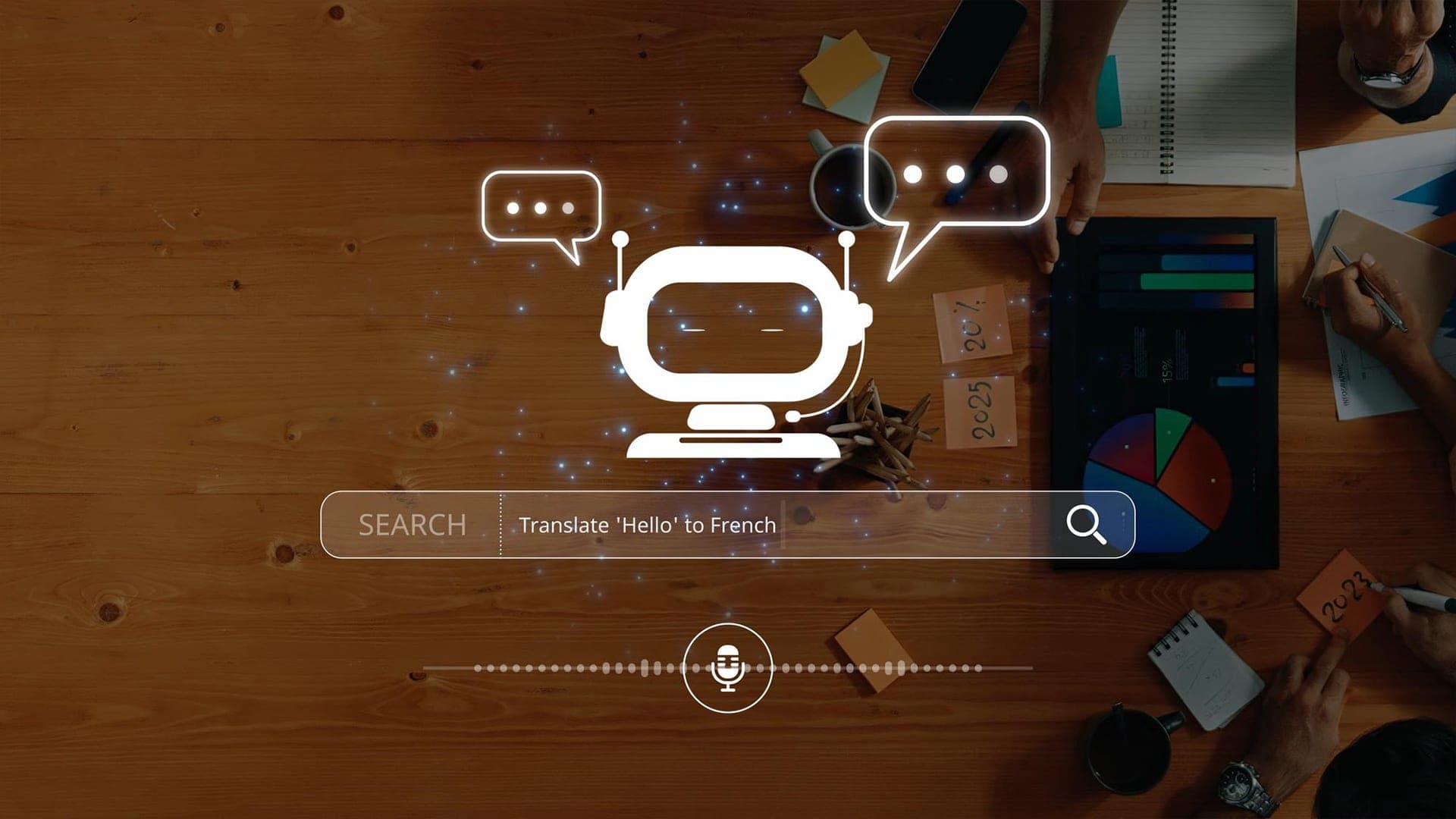
When people visit a website, they usually have a goal in mind. They are looking for a product, an answer to a question, or a way to solve a specific problem. For a long time, the only way to help them find these things was through a small box with a magnifying glass. If the visitor typed the exact right word, they found what they needed. If they made a typo or used a different word than the one on the page, they found nothing.
Right now, that simple box is changing. We are no longer limited to matching letters and characters. Modern websites can understand what a user wants, even if they do not know how to phrase it. This change has created three main paths for site navigation: traditional search, interactive chatbots, and AI-powered semantic search. Each has a different purpose and cost. Choosing the wrong one can drive people away, while picking the right one can make your site much more effective.
Traditional Site Search: The Exact Match Method
Traditional search is the system we have all used for decades. It works on a simple idea called an inverted index. Think of it like the index at the back of a textbook. The system scans your entire site, makes a list of every word, and records where those words live. When a user types a word, the system shows them every page where that specific word appears.
Why This Method Still Works
There are many reasons why companies still use this approach. First, it is extremely fast. Because there is no complex logic or language processing involved, the results show up almost instantly. For a user who knows exactly what they want, speed is the most important factor.
Second, it is very predictable. If you run an e-commerce site with thousands of technical parts and specific SKU numbers, you want a literal system. A customer searching for a part number like 4059-TX does not want the search engine to guess or suggest alternatives. They want that specific item. Traditional search handles these exact queries better than almost any other tool.
Where the Traditional Approach Fails
The main issue with this method is that it is rigid. Humans are not always precise. We make spelling errors, we forget the specific names of products, and we use different words for the same thing. If your site calls a product a “trainer” but the visitor searches for “sneakers,” a traditional search bar will often show zero results.
In the world of digital sales, a page that says “no results found” is a major problem. It tells the visitor that you do not have what they need, even if it is sitting right there in your database. This lack of flexibility often leads to a high bounce rate, as people leave to find a site that understands them better.
AI Chatbots: The Conversational Guide
Chatbots have come a long way from the simple scripts of the past. Today, they are driven by large language models that can simulate a real conversation. Instead of typing a word into a bar, the visitor talks to a window.
The Power of Guided Discovery
Chatbots are at their best when a user is in the “discovery” phase. This is common for service-based businesses. A visitor might know they have a problem, but they might not know which specific service they need. A chatbot can ask questions to help narrow down the options. For example, it can ask about the size of their business, their budget, or their specific goals.
This turns a static website into a two-way street. It qualifies leads and helps people find the right path without them having to dig through dozens of pages. It also provides support at any time of day, which is useful for businesses that operate in different time zones.
The Risks of Using a Bot
The biggest downside to chatbots is that they can be annoying. If a visitor just wants a quick link to your pricing page, being forced to talk to a bot can feel like a barrier. Many people close the chat window the moment it pops up because they do not want to be interrupted.
There is also the technical risk of “hallucinations.” This happens when the AI provides an answer that sounds confident but is actually wrong. If a bot gives a customer a false price or promises a feature that does not exist, your brand is the one that has to deal with the fallout. This makes the setup and data quality behind the bot very important.
AI-Powered Search: Understanding Meaning
AI-powered search, also known as semantic search, is a middle ground between the search bar and the chatbot. It does not look for exact words. It looks for the meaning behind the words. It uses a technology called vector search to understand how different concepts are related.
How Intent Changes the Results
Imagine a user goes to a website and searches for “what should I wear to a cold wedding in the mountains.” A traditional search bar would look for those exact words and probably fail. An AI-powered search understands the context. It knows “winter” or “mountains” means cold, and “wedding” means formal. It will show the user wool suits, heavy dresses, and formal coats.
This approach fixes the “zero results” problem. It understands that “sneakers” and “trainers” are the same thing. It ignores typos and handles natural language naturally. By showing the user what they actually meant, you keep them on the site longer and make them feel understood.
Building Authority with Accurate Answers
When a site can provide direct and accurate answers to complex questions, it looks more authoritative. Both users and global search engines notice when a site is helpful. If a visitor finds their answer quickly on your site instead of going back to a search engine, it signals that your content is high quality. This helps your overall digital reputation and keeps people coming back.
A Strategy for Different Business Models
There is no one-size-fits-all answer. The tool you need depends on what you do and how your customers shop.
E-commerce and Product Catalogs
If you sell many different items, you almost certainly need AI-powered search. The ability to handle discovery queries is what separates successful stores from the rest. You want your search bar to act like a smart salesperson who knows every item in the warehouse.
Service-Based Companies
If your business is about professional services, a hybrid model is often best. Use a clean, simple search bar for people who want to read your blogs or case studies. Then, use a chatbot specifically for the lead generation part of the journey. This keeps the experience helpful without being pushy.
Building this kind of structure requires a lot of attention to detail. You need a site that is organized and data that is clean. If your internal data is messy, even the best AI tool will struggle to provide value.
If you find that your current website is making it hard for customers to find what they need, you might need a technical audit. Many companies lose leads simply because their search tools are out of date. Contact TCU for a website strategy session to see how we can help you fix your user journey and make your search tools work for your business goals.
The Technical Reality of Implementation
Adding these tools is not as simple as installing a plugin. High-quality search requires a solid foundation.
Data Quality is Key
AI is only as good as the information you give it. If your product descriptions are short or your blog posts are thin, the AI will not have enough context to provide a good answer. You need to ensure that your site is built on a clear hierarchy. Every page should be descriptive and use clear terminology.
Managing Latency and Costs
Traditional search is nearly free to run. AI tools, however, often come with recurring costs for API calls and data processing. There is also the issue of speed. Processing a complex natural language query takes longer than matching a keyword. When we build these systems, we focus on balancing that intelligence with speed so the user never has to wait.
The Future of Discovery on the Web
The way people find information is moving away from a list of links and toward a world of direct answers. People are getting used to asking a question and getting a response immediately. Your website needs to be ready for this shift.
This means your content needs to be structured in a way that machines can understand. It is not just about the visitor on your page anymore. It is also about the AI systems that scan your site to provide summaries to other people. If your data is well-organized, your brand is more likely to be cited as a source by these new engines.
Final Thoughts for Senior Stakeholders
The goal of any website tool is to be helpful. Technology should never get in the way of a solution. Whether you choose a simple search bar, a smart bot, or a semantic search engine, the most important thing is that the user feels supported.
A website that understands intent is a website that builds trust. It shows that you value the user’s time and that you are an expert in your field. As the web becomes more conversational, the brands that invest in clear, intelligent communication will be the ones that lead. Making these choices now will ensure that your digital presence remains strong and effective for years to come.
Frequently Asked Questions
What is the main difference between keyword search and AI search?
Keyword search looks for an exact match of the words you type. If you search for “red car,” it looks for that exact phrase. AI search understands the concept. It knows that “crimson vehicle” means the same thing and will show you those results as well.
Does having better site search help my Google rankings?
Yes, but in an indirect way. If your search tools are helpful, visitors stay on your site longer and are less likely to leave immediately. Google sees these signals and views your site as more useful and authoritative, which can help your rankings over time.
Is an AI chatbot better than an AI search bar?
They serve different purposes. A search bar is better for people who want to find something specific on their own. A chatbot is better for guiding a user who is not sure what they need or who has a specific customer support question.
Can I use traditional and AI search together?
Yes, this is known as a hybrid search. It is a popular choice for many businesses. It uses keyword matching for things like part numbers and technical terms while using AI for general questions and natural language.
Is AI search expensive for a small business?
It can be, but there are many scalable options now. The biggest investment is usually not the software itself but the work required to organize your data correctly so the AI can provide accurate answers.
How do I know if my site search is failing my users?
You should look at your analytics for “search queries with no results.” If people are searching for things you actually offer but the system cannot find them, you are losing money. This is a clear sign that you need an upgrade.