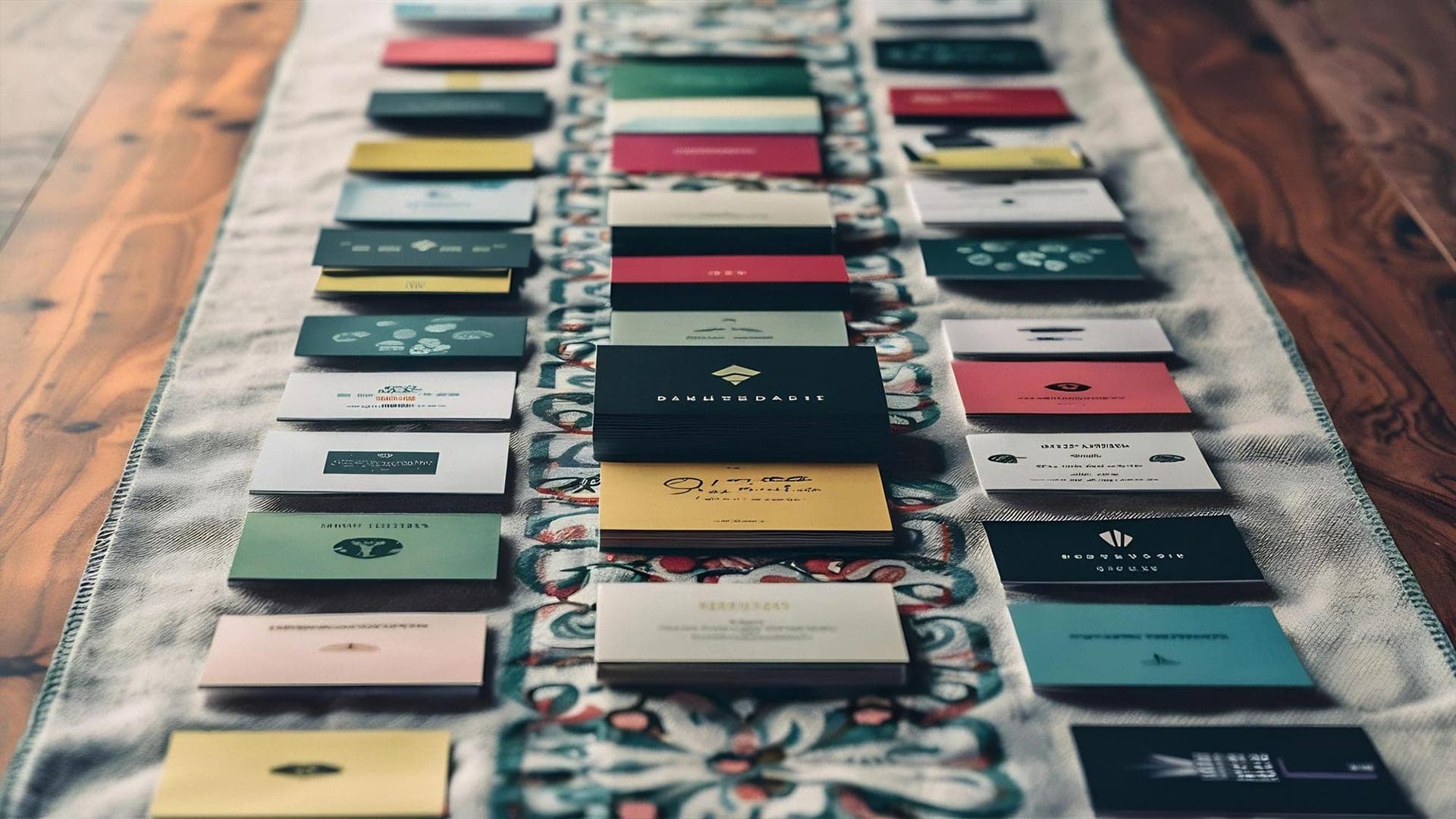
Business cards are not supposed to be exciting.
They are small. They are quiet. They sit in wallets, on desks, or sometimes in the bottom of a conference tote bag. But if you have ever handed someone your card and watched them pause for half a second longer than usual, you already understand their power.
A good business card does not beg for attention. It earns it.
In 2026, networking is faster, more digital, and more distracted than ever. People connect on LinkedIn in seconds. They scan QR codes without thinking. They forget names five minutes after introductions. That is exactly why a physical business card still matters. It slows the moment down. It creates a physical anchor in a conversation that would otherwise disappear into someone’s phone notifications.
But the design expectations have changed. A plain white rectangle with a logo in the corner no longer carries the same weight. Businesses want cards that reflect brand maturity, personality, and even technical fluency.
So what is actually trending in 2026? Not gimmicks. Not chaos. Just intentional shifts you can spot early if you know what to look for.
Let’s break them down clearly.
Do Business Cards Still Matter in 2026?
Before jumping into trends, it helps to answer the quiet question: why are we still talking about business cards at all?
Because physical presence still signals seriousness.
A business card feels deliberate. It says you planned for this conversation. It says your brand exists beyond a social profile. And in industries where trust matters, that subtle signal still carries weight.
The difference in 2026 is this: your business card is no longer just a contact tool. It is a bridge between physical and digital identity.
When done well, it leads somewhere. When done poorly, it becomes paper clutter.
Now let’s look at what “done well” looks like this year.
16 Business Card Trends of 2026
NFC-Enabled Smart Cards
NFC business cards allow recipients to tap their phone and instantly receive your contact details, portfolio, or booking link. They are ideal for professionals who attend frequent networking events and want frictionless sharing. Keep in mind they cost more than standard cards and require clean digital landing pages to work effectively.
QR Code Integrated Cards
QR-enabled business cards bridge print and digital without needing special hardware like NFC. They work best when linking to a specific action, such as scheduling a call or viewing a product catalog. Make sure the QR code is tested across devices and does not overpower the visual design.
Typography-First Minimalism
These cards rely on strong font hierarchy and spacing instead of heavy graphics. They are cost-effective to print and age well because they avoid trendy design elements. This style works especially well for consultants, legal professionals, and corporate roles where clarity signals professionalism.
Sustainable Materials
Eco-friendly business cards are printed on recycled, seed, or alternative materials like bamboo fiber. They immediately communicate environmental responsibility and brand values. Businesses should confirm durability and print quality, as some sustainable materials have texture variations.
Transparent or Frosted Plastic Cards
Plastic business cards stand out visually and are more durable than paper options. They are resistant to wear, which makes them useful for industries where cards are handled frequently. However, printing costs are higher, and readability must be carefully planned against clear backgrounds.
Textured & Tactile Finish Cards
Cards with embossing, debossing, or soft-touch coatings create a premium feel through texture. They help businesses leave a stronger sensory impression during in-person meetings. These finishes increase production costs but elevate perceived brand value significantly.
Vertical Layout Cards
Vertical business cards feel modern and align naturally with how people hold smartphones. They can stand out in a stack of traditional horizontal cards. Businesses must ensure layout balance so contact details remain easy to scan at a glance.
Bold Color Block Cards
These cards use high-contrast color sections to create instant visual recognition. They are effective for creative brands and personal branding because they draw attention quickly. Print accuracy is important, as bold colors can shift depending on paper and ink quality.
Black-on-Black Luxury Cards
Matte black cards with gloss or spot UV accents signal exclusivity and sophistication. They are popular in luxury services, high-end consulting, and boutique businesses. While visually powerful, they require premium printing techniques to avoid looking flat or muddy.
Metallic Foil Accent Cards
Foil stamping adds reflective highlights in gold, silver, or other metallic tones. It enhances logos or names and creates a strong first impression in professional settings. Because foil is a specialty finish, businesses should use it strategically to control costs.
Augmented Reality (AR) Cards
AR business cards trigger interactive digital experiences when scanned with a phone. They are best suited for industries that benefit from visual demonstrations, such as real estate or product design. Businesses must ensure the experience, when showing digital assets like a user-friendly website, mobile apps, or other offerings, is smooth, or the novelty quickly loses impact.
Folded or Multi-Panel Cards
Folded cards provide additional space for services, pricing tiers, or key offerings. They are useful for freelancers and small businesses that need more explanation without handing out brochures. However, clarity should remain a priority so the extra space does not create clutter.
Personal Branding-Focused Cards
These cards emphasize the individual’s name and expertise rather than the company logo. They are ideal for consultants, creators, and solopreneurs building authority around their personal brand. Consistency with online profiles is crucial to maintain credibility.
Handwritten or Signature Element Cards
Incorporating a printed signature or handwritten-style font adds a personal touch. This approach works well for service-based businesses that rely on trust and relationship-building. The key is subtlety so the card remains professional rather than casual.
Edge-Painted Cards
Edge painting adds a colored strip along the thickness of the card for a subtle premium detail. It works best with thicker cardstock, which increases durability and weight. While not immediately obvious, it creates a refined impression when cards are stacked or handed over.
Custom Die-Cut Shape Cards
Die-cut cards are trimmed into unique shapes that reflect brand identity. They are memorable and can differentiate a business in the creative industries. However, unusual shapes may not fit standard wallets, so practicality should be considered before production.
Common Mistakes to Avoid in 2026
Here are the common mistakes that designers make when designing a business card.
- Overcrowding Information: Your card is not a brochure. Keep essentials only.
- Following Trends Blindly: Just because vertical layouts are popular does not mean they fit your brand.
- Ignoring Print Quality: The design file can look perfect on screen and still fail in production. Paper weight, coating, and ink quality matter.
- Forgetting the Digital Bridge: If your business card does not connect to your broader online presence, you are missing opportunity.
What a Modern Business Card Really Signals
Here is the quiet truth: people judge stability through details.
A well-considered business card suggests that you care about presentation, follow-through, and experience. A sloppy one suggests the opposite.
In 2026, the strongest cards are not the flashiest. They are the most intentional.
They reflect a clear brand identity.
They balance physical and digital connections.
They prioritize usability.
They feel good in someone’s hand.
Looking for a business card that ticks all of these boxes? Hire the creative designers at TCU.
Final Thoughts
Business cards have survived every prediction of their death. They survived email. They survived social media. They survived QR codes. And now they are evolving alongside smart technology and modern branding expectations.
The modern business card is not just contact information printed on paper. It is a compact brand statement. It is a physical reminder that your business exists beyond a screen.
If you are redesigning yours this year, do not start with decoration. Start with intent.
Ask what you want someone to feel when they hold it.
Ask where you want it to lead them.
Ask whether it reflects who you are now, not who you were three years ago.
Trends help you see what is possible.
Clarity helps you choose what actually fits.
And in the end, the best business card is not the one that follows every trend. It is the one that feels unmistakably yours.
Frequently Asked Question
Which paper weight feels premium without becoming impractical?
Generally, 16pt to 32pt cardstock strikes the right balance. Below 14pt feels thin and disposable. Above 32pt can feel impressive but may not fit comfortably in wallets. For most industries, 18pt–24pt with a soft-touch matte finish feels professional and durable.
Do sustainable materials cost significantly more?
Yes, typically 15–40% more depending on the material and quantity. Seed paper and specialty eco-textures cost more than recycled cardstock. However, for brands positioned around sustainability, that added cost often reinforces credibility and brand consistency.
Do die-cut shapes negatively affect credibility in traditional industries?
Often, yes. Law firms, accounting firms, and financial consultants typically benefit from clean, traditional shapes. Creative industries, product designers, and marketing agencies have more freedom. Context matters more than trend adoption.
How should SEO professionals or digital marketers use business cards effectively?
They should treat the card as an offline entry point into their digital ecosystem. A QR or NFC link should lead to a high-conversion landing page, not just a homepage. Ideally, the page includes booking links, case studies, or testimonials to convert the initial interest.
How many pieces of information are too many for a business card?
More than five core items usually creates clutter. A strong structure typically includes: name, title, primary contact method, website (or QR/NFC), and company name. Social handles should only be included if they are actively used for business.