

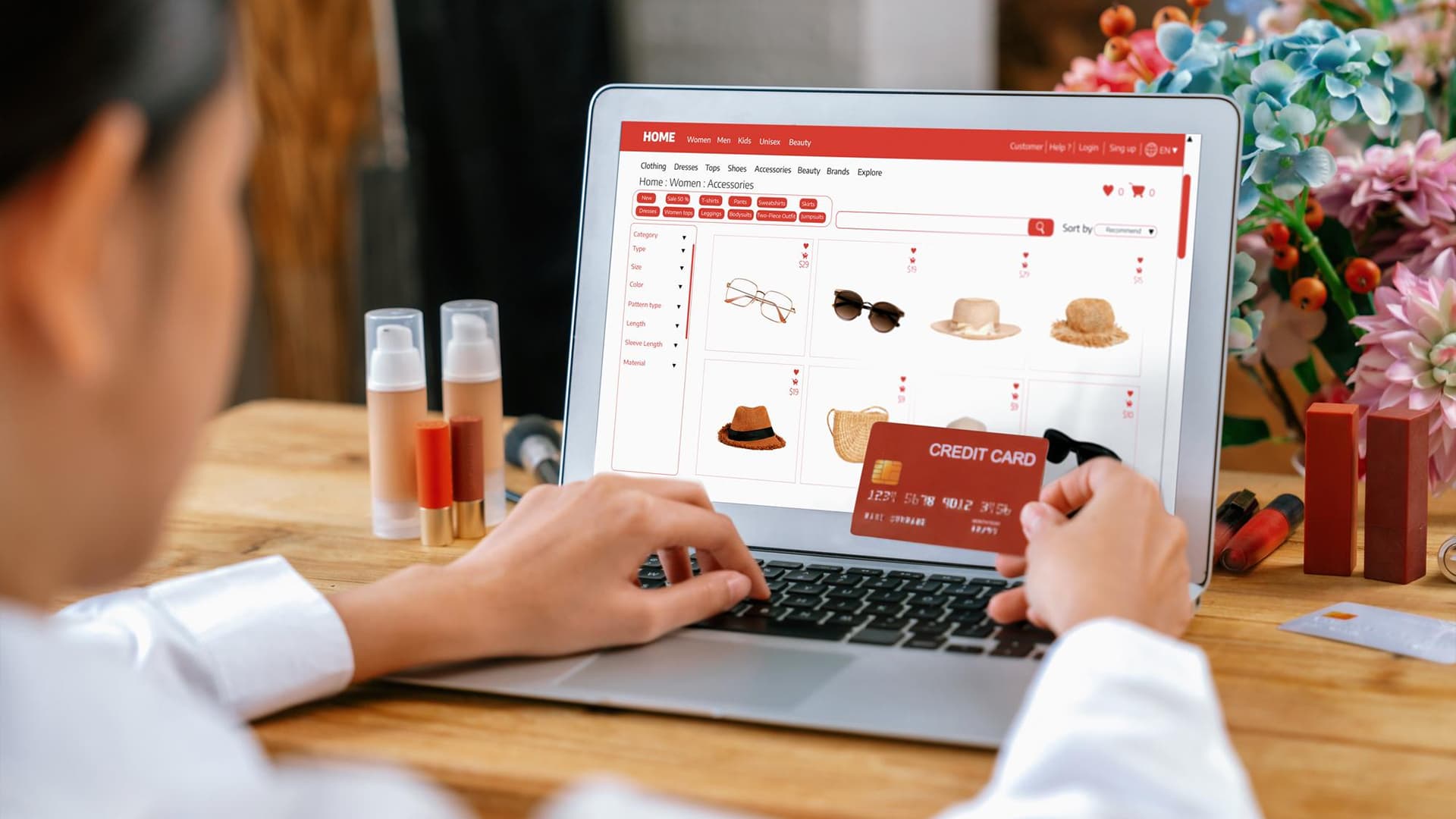
Running Google Shopping campaigns without a properly optimized product feed is similar to running a store with unclear price tags and incomplete product labels. Even if your ads budget is strong, poor feed quality limits visibility, reduces click-through rates, and increases wasted ad spend.
A product feed is the structured data file that sends product information from your e-commerce store to the Google Merchant Center. It includes details such as product titles, descriptions, pricing, availability, images, and product identifiers. Google uses this data to decide when and where your products appear in Shopping results.
For e-commerce brands, especially those scaling through Google Ads and Performance Max campaigns, product feed optimization is not optional. It directly impacts ranking, impressions, and conversions.
This guide breaks down 12 practical, experience-driven product feed optimization strategies that improve feed quality, strengthen campaign performance, and help build long-term visibility inside Google Shopping.
What is Product Feed Optimization?
Product feed optimization is the process of improving product data so it aligns with Google Merchant Center requirements and user search behavior. It is not just about filling required fields. It is about structuring data in a way that improves relevance, clarity, and machine understanding.
Google evaluates product feeds based on accuracy, completeness, and relevance. A well-optimized feed helps:
- Increase product visibility in Google Shopping
- Improve ad relevance scores
- Reduce disapprovals in Merchant Center
- Enhance click-through rates
- Improve conversion quality
Now let’s move into the practical optimization strategies.
1. Optimize Product Titles with Search Intent in Mind
Product titles are one of the strongest ranking signals in Google Shopping. Many feeds fail because they rely on manufacturer titles that are vague or incomplete.
A strong product title should include:
- Brand name
- Product type
- Key attributes such as size, color, material
- Model number if relevant
For example:
Weak: Shoes Running Model X
Optimized: Nike Air Zoom Pegasus 40 Men Running Shoes Black
Think like a customer searching on Google. Users rarely search for internal product names. They search with intent-driven terms like “men running shoes black Nike.”
Keep titles structured and consistent across your catalog. Avoid keyword stuffing, but ensure all important attributes are present.
2. Write Product Descriptions That Add Real Value
Product descriptions are often treated as an afterthought, but they influence relevance and user engagement.
A strong description should explain:
- What the product is
- Who it is for
- Key features and benefits
- Use cases
Avoid copying manufacturer descriptions without editing. Google prefers unique and helpful content.
Instead of writing generic text, focus on clarity:
Bad: High-quality cotton t-shirt
Better: Soft cotton t-shirt designed for everyday wear, offering breathable comfort for warm weather and casual styling.
Well-written descriptions help Google better understand context, which improves matching with search queries.
3. Use High-Quality Product Images with Proper Formatting
Images have a direct impact on click-through rates in Google Shopping ads. Even if your feed is well optimized, poor visuals reduce performance.
Best practices include:
- Use high-resolution images (at least 800x800 px recommended)
- Avoid watermarks or promotional overlays
- Use clean white or neutral backgrounds when possible
- Show multiple angles of the product
- Ensure consistency across the catalog
Lifestyle images can also help, especially in fashion, home decor, and lifestyle categories. They improve engagement by helping users visualize product usage.
4. Assign Accurate Google Product Categories
Google uses product categories to classify items and match them with relevant searches. Incorrect categorization leads to poor targeting and wasted impressions.
Use Google’s official product taxonomy instead of guessing categories. For example:
- Apparel & Accessories > Clothing > Shirts & Tops
- Electronics > Computers > Laptops
Avoid placing products in broad or unrelated categories. The more precise the category, the better Google understands product intent.
5. Improve Product GTIN, MPN, and Brand Data
Unique product identifiers such as GTIN (Global Trade Item Number), MPN (Manufacturer Part Number), and brand name are critical for feed accuracy.
These identifiers help Google:
- Match products with existing catalog data
- Improve trust signals
- Reduce duplicate listings
- Increase eligibility for richer placements
If GTIN is available, always include it. If not, ensure MPN and brand are correctly filled. Missing identifiers often result in limited visibility.
6. Optimize Product Pricing and Availability Accuracy
Google prioritizes accuracy in pricing and stock availability. Any mismatch between your website and feed can lead to disapprovals or poor user experience.
Best practices:
- Ensure real-time synchronization between store and feed
- Clearly mark out-of-stock items
- Avoid sudden price changes without feed updates
- Include sale pricing where applicable
Inaccurate pricing is one of the most common reasons for product disapproval in Google Merchant Center.
7. Use Custom Labels for Smarter Campaign Segmentation
Custom labels allow advertisers to organize products for better campaign control. They are not visible to users but are powerful for optimization.
Examples of custom labels:
- High margin vs low margin products
- Seasonal collections
- Best sellers
- Clearance items
- Performance tiers
This segmentation helps structure bidding strategies inside Google Ads and Performance Max campaigns, improving ROI.
8. Optimize Product Attributes for Better Matching
Attributes like color, size, gender, material, and age group improve product relevance.
For example:
- Color: Black, Navy Blue, White
- Size: Small, Medium, Large
- Gender: Male, Female, Unisex
These attributes help Google match products with more specific queries such as “black leather jacket men medium”.
Incomplete attribute data limits visibility and reduces targeting precision.
9. Avoid Duplicate or Thin Product Listings
Duplicate listings create confusion for Google’s algorithm and dilute ranking strength.
Common issues include:
- Same product listed multiple times with minor title changes
- Empty or repetitive descriptions
- Missing variation grouping
Use item_group_id to group product variations properly. This ensures that color or size variants are treated as one product family instead of separate entries.
10. Maintain Feed Hygiene with Regular Updates
A product feed is not a one-time setup. It requires continuous maintenance.
Regular tasks include:
- Removing discontinued products
- Updating price and stock changes
- Fixing disapproved items in Merchant Center
- Reviewing performance reports
Brands that maintain clean feeds consistently outperform those with outdated or inconsistent data.
11. Improve Feed Structure for Performance Max Campaigns
Performance Max campaigns rely heavily on feed data to automate placements across Google properties.
To improve performance:
- Ensure all fields are complete and accurate
- Use strong titles and descriptions
- Provide high-quality images
- Segment products using custom labels
Since Performance Max is automation-heavy, feed quality directly controls campaign efficiency.
At this stage, many brands realize that product feed optimization is not just a technical setup but an ongoing strategic process that impacts visibility, conversions, and overall ad efficiency.
If your business is struggling with Google Shopping performance or Merchant Center issues, it often requires a structured audit and optimization approach.
Contact The Creative Unit (TCU) for professional help with digital marketing and product feed optimization services tailored for scalable e-commerce growth.
12. Use Structured Data to Strengthen Feed Accuracy
Structured data (schema markup) on your website helps Google validate product feed information. It acts as a bridge between your website content and Merchant Center feed.
Key schema types include:
- Product schema
- Offer schema
- Review schema
When structured data aligns with your product feed, it improves trust signals and reduces inconsistencies. This can positively influence eligibility for enhanced listings and richer product displays.
Make sure schema data matches feed data exactly. Even small mismatches can reduce confidence in product accuracy.
Conclusion
Product feed optimization is one of the most overlooked yet high-impact elements in Google Shopping success. A well-structured feed improves visibility, reduces wasted ad spend, and ensures that products reach the right audience at the right time.
The key is consistency, accuracy, and intent alignment. Every field in your feed contributes to how Google interprets your products and how users engage with them.
Businesses that invest in ongoing feed optimization often see stronger ROI compared to those focusing only on bidding strategies or ad creatives.
A strong product feed is not just a technical requirement. It is a foundational part of scalable e-commerce growth.
Frequently Asked Questions
What is product feed optimization in Google Shopping?
Product feed optimization is the process of improving and structuring product data in Google Merchant Center so that Google can better understand, rank, and display your products in Shopping ads and organic listings. It includes optimizing titles, descriptions, images, categories, and product identifiers like GTIN and MPN.
Why is product feed optimization important for Google Shopping?
Product feed optimization is important because Google uses feed data to decide when and where your products appear. A well-optimized feed improves visibility, increases click-through rates, reduces disapprovals in Google Merchant Center, and helps improve return on ad spend (ROAS).
What makes a good Google Shopping product title?
A good Google Shopping product title includes the brand name, product type, and key attributes such as size, color, and model. For example, instead of “Running Shoes,” a better title is “Nike Air Zoom Pegasus 40 Men Running Shoes Black.” Clear and structured titles improve search relevance.
How do product descriptions affect Google Shopping performance?
Product descriptions help Google understand what the product is and who it is for. Detailed, unique, and benefit-focused descriptions improve relevance, matching, and ad performance. Weak or duplicated descriptions can reduce visibility in Google Shopping results.
What product identifiers are required in Google Merchant Center?
Google Merchant Center requires identifiers like GTIN (Global Trade Item Number), MPN (Manufacturer Part Number), and brand name when available. These identifiers help Google match products with its catalog and improve listing accuracy and eligibility.
How often should a product feed be updated?
A product feed should be updated regularly, ideally in real time or at least daily. Updates should reflect changes in price, stock availability, new products, and discontinued items. Frequent updates help avoid disapprovals and ensure accurate Shopping ads.
What are custom labels in Google Shopping feeds?
Custom labels are attributes used to organize products for campaign management in Google Ads. They allow advertisers to segment products by profit margin, season, best sellers, or performance. Custom labels are not visible to users but help improve bidding and optimization strategies.
Why do products get disapproved in Google Merchant Center?
Products are often disapproved due to missing or incorrect data, pricing mismatches between website and feed, invalid product identifiers, or policy violations. Inconsistent or low-quality product feeds are one of the most common reasons for disapprovals.
How does image quality impact Google Shopping ads?
Image quality directly affects click-through rates in Google Shopping ads. High-resolution, clear, and background-clean images perform better. Images should not include watermarks, promotional text, or low-quality visuals, as these reduce user trust and engagement.
What is the role of structured data in product feed optimization?
Structured data (schema markup) helps Google validate product information from your website. When schema data matches your product feed, it improves data accuracy, strengthens trust signals, and supports better product visibility in Google Shopping results.
What is item_group_id in Google Shopping feeds?
Item_group_id is used to group product variants such as size or color under one parent product listing. It helps Google treat variations as one product family instead of separate listings, improving organization and user experience.
Can poor product feeds affect Google Ads performance?
Yes, poor product feeds can significantly reduce Google Ads performance. Incomplete or inaccurate feeds lead to lower visibility, fewer impressions, higher costs per click, and reduced conversion rates in Google Shopping and Performance Max campaigns.